Small Town Veteran Pride
Installment 20 of 39

I’d been on the road since before dawn. Josie’s two-liter engine kept up its familiar, slightly ragged thrum, leaving me alone with my thoughts for mile after mile. There’s something about spending that much time behind the wheel, with nothing but the road ahead. It always gets me thinking about where I've been and where the hell I'm going. The results are neither reassuring nor predictable.
I wasn’t looking for Siloam Springs. Hadn’t given the place a thought; I hadn't even known it existed. But when a green highway sign announced Siloam Springs—Next Right, something made me want to have a look. I wasn’t on anyone’s schedule, least of all my own. So I took the turn.
Siloam Springs sits on the western edge of Arkansas, hard against the Oklahoma border. It’s part college town, part old-fashioned Arkansas Main Street, a place that had fewer than two thousand residents in 1893 and a little more than seventeen thousand today. The town had grown considerably over the years, but the old downtown, with its brick storefronts, seemed determined to hold on to a bit of its past.
I eased Josie into the historic district just as morning was giving way to noon.
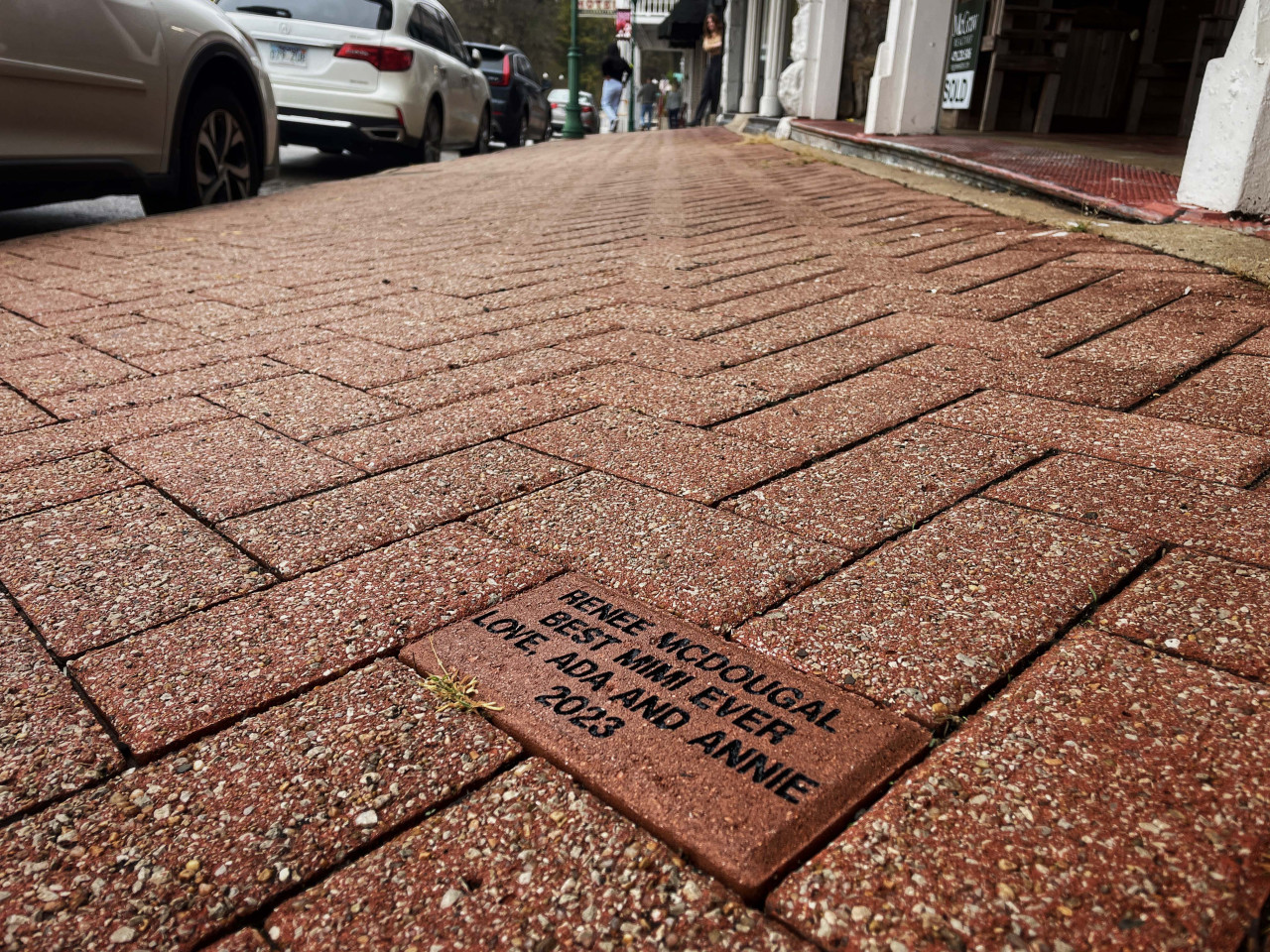
The town felt poised—like a stage set moments before the curtain lifts. Barricades angled across the cross‑streets; children scurried with fistfuls of miniature flags; an old collie, gray about the muzzle, tugged at its leash as if it too sensed the imminence of spectacle. I eased the van to the curb beside an apothecary storefront whose beveled glass still bore the gold‑leaf letters of yesteryear. Josie’s engine clicked down into silence. The parade, they said, would begin any minute.
I stepped out beneath a sky the color of boiled tin. November light, pale as skimmed milk, washed over brick façades and left the mortar lines glowing. The wind smelled of wood‑smoke and distant sycamore leaves moldering in the gullies east of town. Down the block a volunteer in an orange vest directed traffic with the serene authority that only belongs to small‑town officials and old barn cats. I asked him what was happening.
“Veterans Day, mister. We parade every year—rain, shine, or politics.” He grinned, tipped a sweat‑darkened ball cap, and waved the next pickup into a church lot.
I found a spot along the curb with the rest of the townsfolk. Nobody was pushing or jockeying for a better view. Families had brought thermoses of coffee. Older men stood with their hands buried in the pockets of worn Army jackets. A few students from John Brown University mingled with the crowd, sipping lattes. A grandmother unfolded a lawn chair and settled in, keeping one eye on a toddler who was wandering in circles, a plastic Army helmet slipping down over one ear. There was a comfortable, small-town familiarity to the gathering. People chatted with their neighbors, waved to friends across the street, and waited for the parade to begin.
I heard it before I saw it. Somewhere up the street, a bass drum began its steady thump. Then four firefighters in dress blues came into view, carrying the American flag. Their brass buttons gleamed in the morning light, their polished shoes striking the brick pavement in measured steps. The crowd grew quiet as they passed. There was no marching band behind them yet, just the sound of their footsteps and the wind blowing down West University Street.
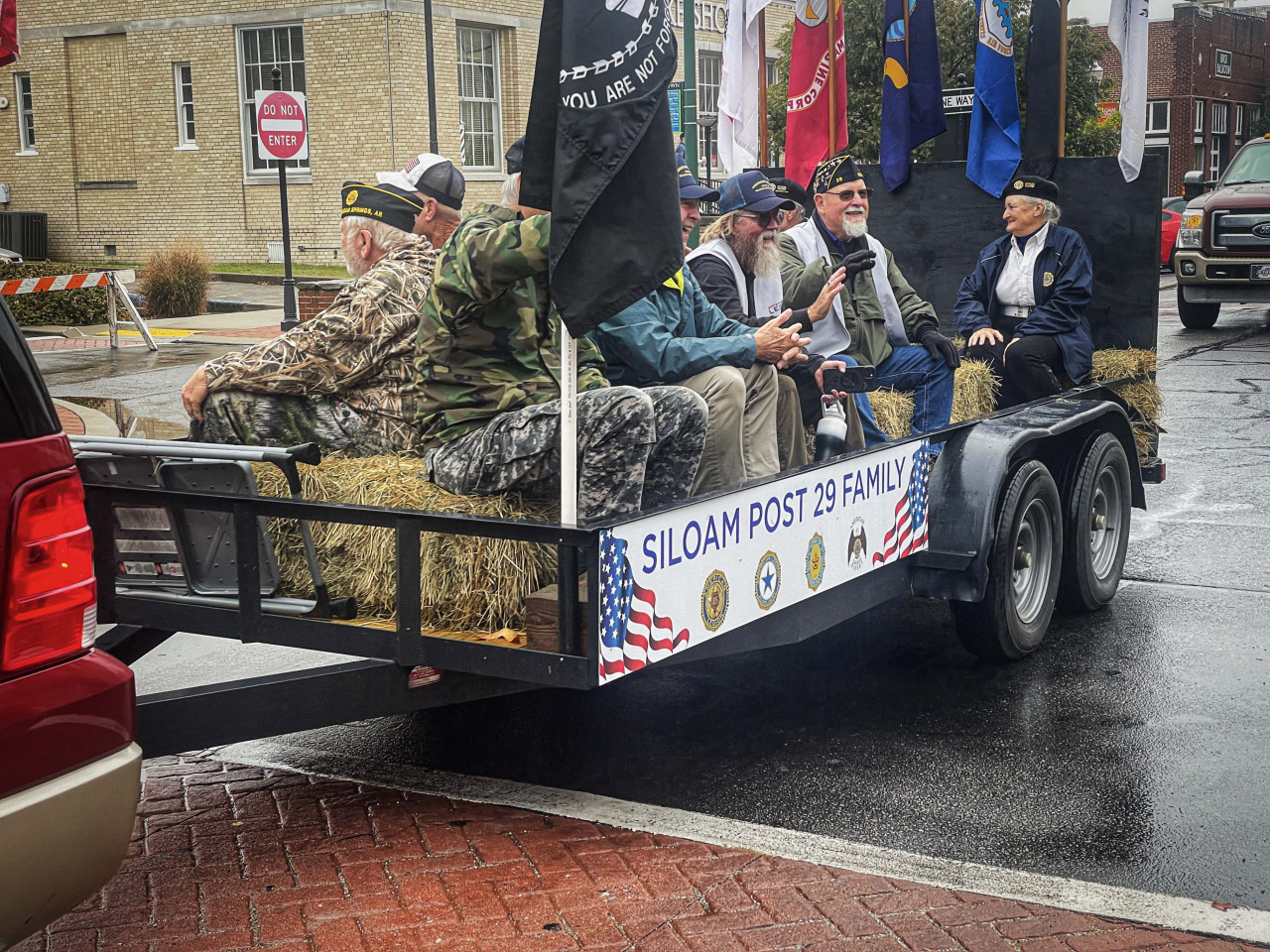
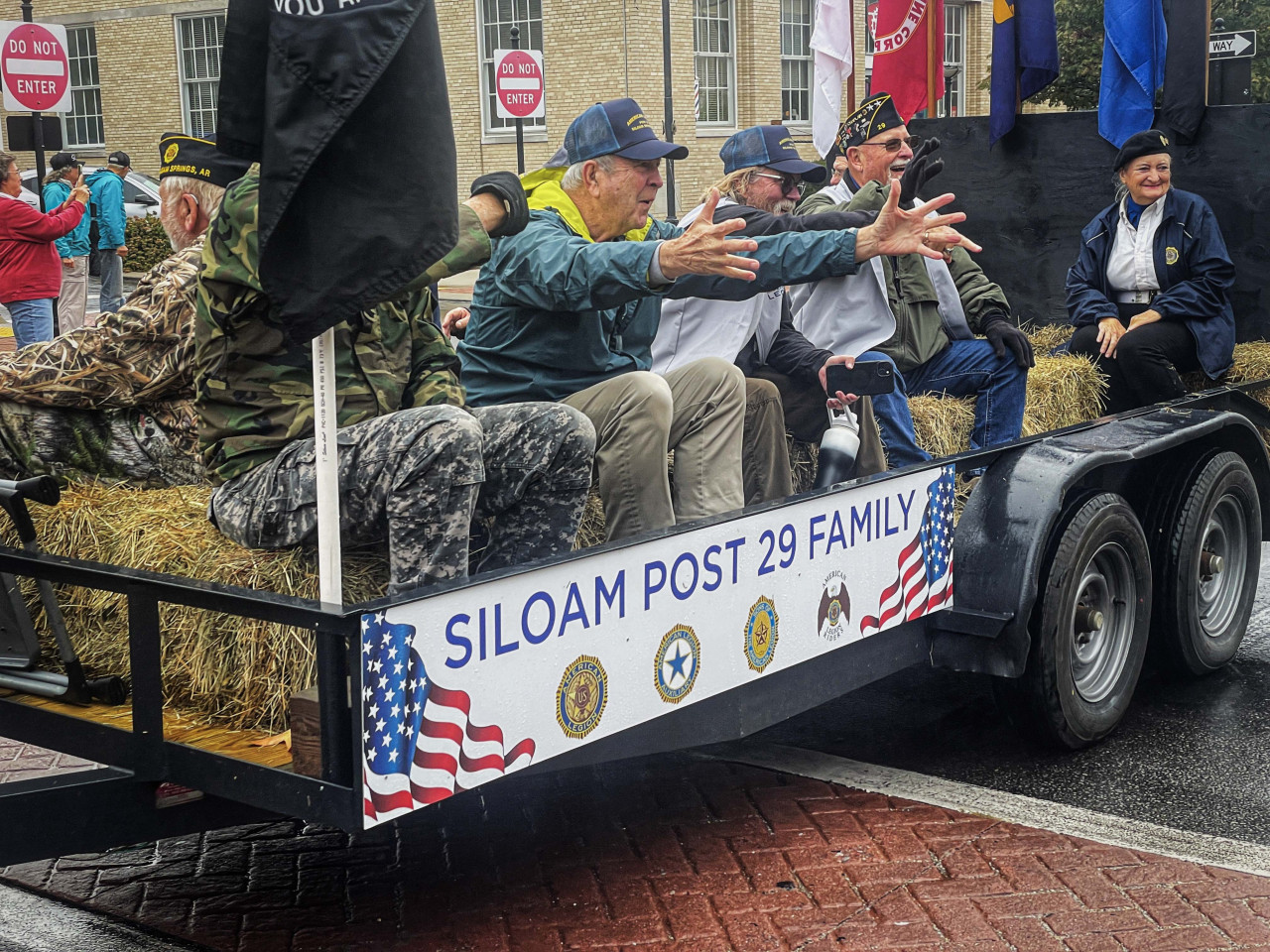
A flatbed truck came next, decorated with red, white and blue bunting. Veterans sat on hay bales arranged across the bed. Among them was a Korean War radio operator with a scar on his cheek, two Vietnam combat engineers and a nurse who had served during the Gulf War. They were getting on in years, most of them, but they sat straight-backed as the truck made its slow way down the street. Some waved enthusiastically. Others offered little more than a raised hand and a nod, looking slightly embarrassed by all the attention. The crowd didn't seem to care. People clapped, whistled and called out their thanks. A few stood and saluted.
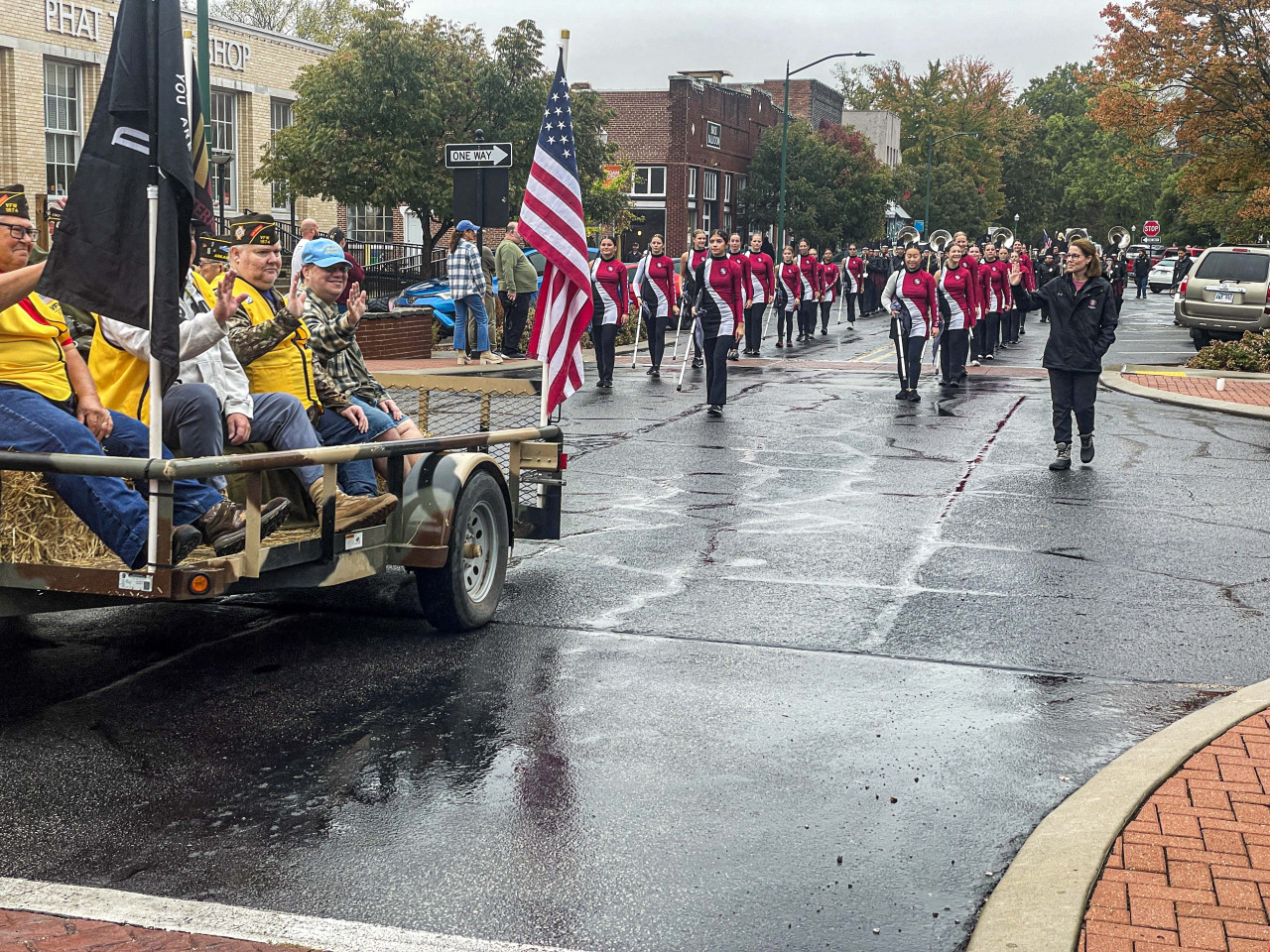
Then the band turned the corner and poured itself into Main Street. Clarinet reeds squeaked, trombones lagged a half‑beat, but the drummer, a ruddy‑cheeked lad with freckles like gunpowder, kept the line marching true. They battered out “Anchors Aweigh," and the melody ricocheted between sandstone walls, rising into the overcast like a challenge to the sun itself.
Halfway through the procession a 1942 Willys Jeep chugged by, olive drab paint flaking at the fenders, windshield down, the driver in full WWII field garb despite the chill. Riding shotgun sat a woman of ninety‑one—hair pinned, lips crimson, eyes bright with mischief. Beside a poster that read "Rosie the Riveter rides again," she flexed her meager bicep, no bigger than a cornstalk. The crowd went wild and roared its approval.
No float for a homecoming queen, none needed. The royalty this day wore campaign ribbons and orthopedic shoes.
Lost in the experience, I simply watched, notebook and pen tucked away in my jacket. I watched the parade wind its way toward the river bridge, where it would disband. For twenty minutes the world shrank to the width of Main Street: one slender ribbon of bricks, border‑stitched by citizens who understood that gratitude grows best in the soil of remembrance.
A kind of resonance lingered in the aftermath. The barricades were dragged away, shop began to open while toddlers were herded into minivans. That resonance hung in the air like a plucked guitar string hums until plucked again. I stood a while in that after-music, letting it settle into the traveling spaces inside me.
Siloam Springs carries history the way old trees carry lightning scars. There are stories in every mortar gap: of Choctaw traders who once cooled their horses in Sager Creek, of prohibition agents smashing stills during the hard dry years, and of a flash flood in ’74 that crippled 40 businesses. The locals here will recall all these tales if you show them the courtesy of listening.
I wandered, shoes kicking fallen leaves. There candy-wrapper litered the street. Over on the university campus, students gathered in twos, threes and fours. Sipping coffee and arguing Kierkgaard.
Down at the barber shop three veterans talked aches, pains, and medication the way younger men compare terabytes and cloud storage. A train horn announced its arrival from the western trestle, pulling a freight of grain and latched doors toward Tulsa.
At dusk I returned to Josie. Before climbing in, I reached behind the driver’s seat and withdrew a bundled stack of crisp twenties—held by a single paper band. Cash for the next stranger grace would reveal. Mindlessly I thumbed the edge, the bills sounded like prairie grass. Somewhere ahead I'd find another story and a pair of hands worthy of this gift. The knowledge steadied me.
Engine lit, headlights carved twin tunnels through the settling fog, and we rolled away. Siloam Springs dwindled to ember then nothing at all. In my head I still heard bugles and boot heels.
Miles later, I caught myself smiling at the day that just passed. A town pressed the pause button so the living could honor the dead and the half-living could remember how to be whole.
When you subscribe to the blog, we will send you an e-mail when there are new updates on the site so you wouldn't miss them.